
As a cat owner, one of the most important decisions you’ll make for your pet’s health and wellbeing is whether to spay or neuter them. At Edhen Vets, we understand that making this decision can sometimes be overwhelming, but it’s an essential step in ensuring your cat lives a long, happy, and healthy life. On this page, we’ll answer all your questions about spaying and neutering your cat, explain why it’s important, and how it can benefit both your feline friend and your community.
What Is Spaying and Neutering?
Spaying refers to the surgical removal of a female cat’s ovaries and uterus, while neutering (or castration) involves removing a male cat’s testicles. Both are routine procedures usually performed before your cat turns one, although the ideal age can vary depending on their health and breed. Please speak to our knowledgeable team for tailored advice beforehand.
Spaying and neutering (castrating) are done under general anaesthesia to ensure your cat is comfortable and pain-free during the procedure. Afterward, recovery is typically quick, and most cats can return to their normal activities within short period of time, but please follow the vets advice as this can vary.
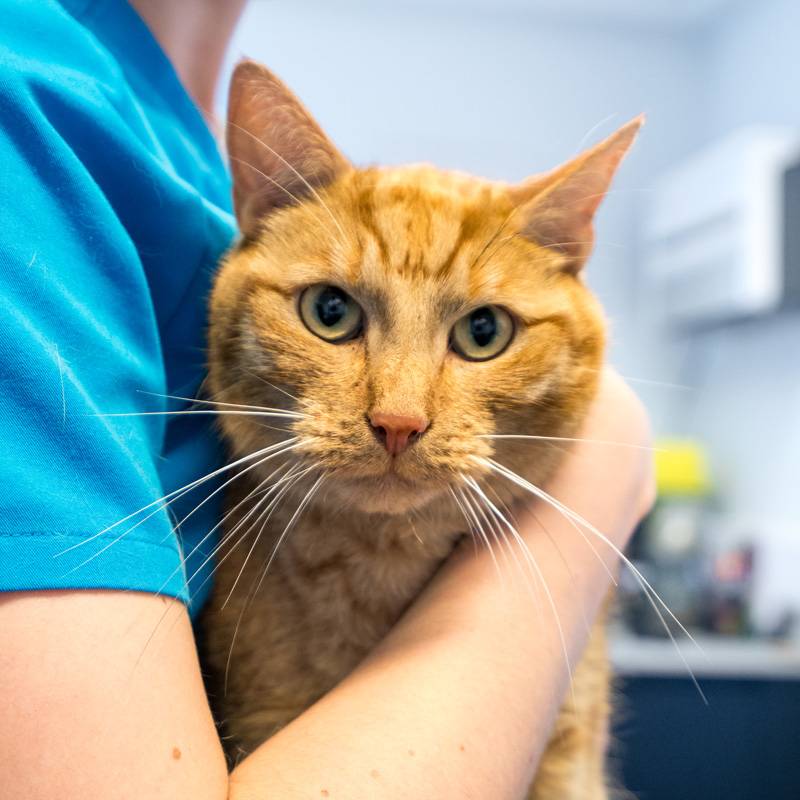
Why Should I Spay or Neuter My Cat?
There are a number of health, behavioural, and community benefits to spaying and neutering your cat. Here’s why it’s so important:
HEALTH BENEFITS
For Female Cats: Spaying eliminates the risk of ovarian and uterine cancers and greatly reduces the risk of a life-threatening infection called pyometra. It also prevents unwanted pregnancies.
For Male Cats: Neutering prevents testicular cancer and reduces the risk of prostate issues. It can also help reduce the risk of certain behavioural problems associated with unneutered cats.
BEHAVIOURAL BENEFITS
Female Cats: Spaying eliminates the heat cycle, which means no more yowling or the need for mating behaviour. Female cats in heat can be more vocal, more territorial, and may attempt to escape your home to find a mate.
Male Cats: Neutering helps to reduce undesirable behaviours such as marking territory with urine, roaming, and aggression. Neutered male cats are generally calmer and less likely to engage in fights with other cats.
PREVENTING OVERPOPULATION
One of the most important reasons to spay or neuter your cat is to help prevent overpopulation. Each year, thousands of kittens are born, many of whom end up in shelters. By spaying or neutering your cat, you’re helping to reduce the number of unwanted litters, ensuring that fewer cats are left without homes.
IMPROVED LIFESPAN
Spayed and neutered cats tend to live longer, healthier lives. These procedures reduce the risk of certain cancers and infections and help prevent your cat from engaging in risky behaviours like roaming, which can lead to accidents or injuries resulting in a lower quality of life and potentially large vet bills.
Why Choose Edhen Vets for Your Cat’s Spaying or Neutering?
At Edhen Vets, we understand that your cat’s health is your top priority. Our team of experienced vets provides safe, gentle, and effective spaying and neutering services. We ensure that your cat is well looked after before, during, and after the procedure, making the process as stress-free as possible for both you and your pet.
Additionally, if you’re a member of our Edhen E365 Signature Pet Health Plan, you’ll receive 10% off routine spay and neutering procedures. Our plan also includes unlimited vet and nurse consultations during opening hours, meaning you can access advice and support whenever you need it.

Common Questions and Concerns About Spaying and Neutering
It’s natural to wonder if your cat’s personality will change after the procedure. The good news is that spaying or neutering won’t drastically change your cat’s character. However, you may notice your cat becoming less territorial, calmer, and less likely to engage in mating behaviours, which can improve their overall wellbeing.
Spaying and neutering are performed under general anaesthesia, meaning your cat won’t feel pain during the procedure. Afterward, there may be some mild discomfort, but most cats recover quickly with minimal issues. We’ll provide clear instructions for aftercare to ensure your cat heals properly.
The best time for spaying or neutering is generally around 6 months of age, though it can vary depending on your cat’s health and breed. Our experienced vets at Edhen Vets will guide you on the right timing based on your cat’s needs.
Spaying or neutering can sometimes cause a slight change in metabolism, but with proper diet and exercise, your cat can maintain a healthy weight. It’s important to monitor their diet and keep them active, especially after the procedure.
Most cats recover from the procedure within 2-3 days. It’s important to monitor your cat for any signs of infection or complications, and limit their activity to prevent straining the surgery site. We’ll provide you with all the guidance you need for a smooth recovery.
Most cats go home the same day as their procedure. We’ll monitor them closely after surgery, but typically, they don’t need to stay overnight unless there are specific concerns.
It’s best to keep your cat indoors for a few days after surgery to allow them to heal properly. We’ll provide instructions on when it’s safe to gradually reintroduce outdoor activities.
Typically, spaying or neutering can be done when kittens are around 6 months old, but our vets can assess your kitten’s health and guide you on the best timing.
If in any doubt, just give us call
Spaying and neutering are important procedures that benefit your cat’s health, behaviour, and longevity, while also helping to prevent overpopulation. At Edhen Vets, we’re here to support you every step of the way, providing expert advice and care for your feline friend.
If you have any questions or would like to schedule a spay or neuter appointment for your cat, don’t hesitate to contact us. Let us help ensure your cat enjoys a happy, healthy life!