
Emergency Care
Urgent Care & Emergencies
At Edhen Vets, we’re very proud to provide our very own out-of-hours emergency service from our Truro branch, run entirely by our trusted in-house team of experienced clinicians – that you’ll see during our normal opening house. This means that no matter when you need us – day or night – you’ll always see the same familiar faces who already know your pet’s history and individual needs. Unlike outsourced services, our approach ensures continuity of care, expert treatment, and genuine peace of mind that your pet is in safe hands 24/7

During opening hours
In an emergency, call either practice and you’ll be directed to the best site, with your pet as our top priority.
We’re open 8.30am – 6.30pm on weekdays and 8.30am – 12.30pm on Saturdays, but we’re always here to support you and your pet 24/7, 365 days a year. In the case of emergency and for immediate advice or first aid guidance while on your way to the practice, please give our team a call.
In the event of an emergency, your pet will always be our top priority. If your pet requires same-day veterinary care, we’ll do everything possible to see them as quickly as we can. We kindly ask for your understanding if there is a short wait until one of our vets is available, as we ensure every pet gets the care and attention they need.
Outside of normal opening hours
If you do need to be seen out-of-hours, you’ll be seeing us at our Truro branch based in Shortlanesend.
We understand that emergencies don’t always happen during normal working hours, which is why we provide our own dedicated out-of-hours service, available 24/7, 365 days a year. Whether it’s a sudden illness, an accident, or a situation where you’re simply worried about your pet, our experienced team is always on hand to provide urgent care when you need it most.
You’ll have the reassurance of speaking directly to our own vets, who know you and your pets, ensuring continuity of care and compassionate support around the clock.

Opening Times
Monday
Tuesday
Wednesday
Thursday
Friday
Saturday
Sunday
*Truro Practice only, the Newquay Practice is closed on Saturdays
24/7 emergency service provided by Edhen Vets Truro
Frequently Asked Questions
If your pet has an emergency, please call us immediately. Our team will guide you on what to do next and direct you to the best site for your location and your pet’s needs.
While our regular opening hours apply during the day, we provide and run own out-of-hours service – based from our Truro branch in Shortlanesend. Just call us anytime and you’ll be given to immediate help and advice, day or night – 24/7 365 days a year.
Out-of-hour consultations cost more than routine appointments during opening hours. At Edhen Vets, we’ll always be transparent about fees and treatment options and there are a list of prices on our prices page. Pet insurance is also available to help cover unexpected costs.
If your pet shows any of the following signs, please contact us immediately — either on your way to the practice or to the out-of-hours emergency hospital:
- Wounds, suspected broken bones, or internal injuries from a fall or accident
- Sudden collapse, difficulty breathing, laboured breathing, or loss of consciousness
- Seizures
- Bleeding from the mouth, nose, or eyes
- Possible poisoning from eating something toxic
- Swallowing an inedible object
- Repeated vomiting, vomiting blood, or retching without bringing anything up
- Signs of extreme pain (such as whining or shaking)
- A hard, swollen abdomen
- Straining or being unable to pass urine
- Inability to stand, wobbliness, or dragging limbs
- Sudden disorientation
- Difficulty giving birth (over two hours between puppies, over one hour between kittens, 30 minutes of straining without progress, or a puppy/kitten visibly stuck)
Pet Travel
Pet Travel
Planning to take your pet on holiday abroad or moving overseas with them? Whether you’re travelling for business or pleasure, ensuring that your pet is ready for international travel is crucial. One of the key requirements for taking your pet across borders is obtaining an Animal Health Certificate. At Edhen Vets, we’re here to make the process of preparing your pet for travel as simple and stress-free as possible.
In this guide, we’ll walk you through the importance of Animal Health Certificates, the steps involved in getting one, and common questions pet owners often have when preparing for travel with their pets.
What is an Animal Health Certificate?
An Animal Health Certificate (AHC) is an official document issued by a veterinary surgeon that confirms your pet meets the health requirements of the destination country. It’s a vital part of the process for taking your dog, cat, or other pets abroad. The certificate verifies that your pet is fit for travel and that they meet the specific health requirements set by the country you are visiting.
In the UK, an AHC is required if you’re travelling with your pet to countries within the EU or to other nations that require a pet passport. The certificate must be issued no more than 10 days before your departure and is valid for travel within a specified period.
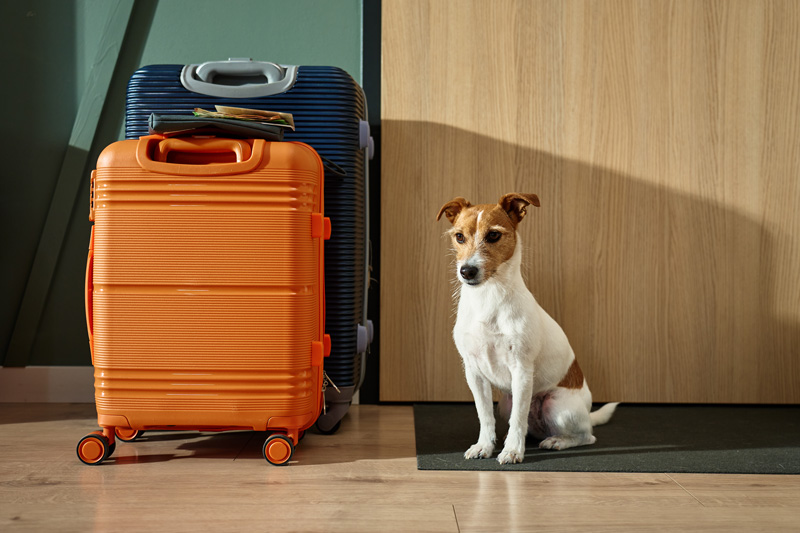
The Process of Getting an Animal Health Certificate
1. Book an Appointment with a Vet
The first step is to book an appointment with one of our experienced vets at Edhen Vets. Your vet will perform a thorough health check to ensure your pet is fit for travel and can provide any necessary treatments, such as a rabies vaccination or tick and tapeworm treatments.
2. Pet Identification
Ensure your pet has a microchip that is registered with up-to-date details. Most countries require pets to have a microchip for identification before they can travel. This is a mandatory requirement for most pet travel, and we can ensure your pet’s microchip is compliant with the necessary standards.
3. Rabies Vaccination
If your pet has not had a rabies vaccination in the last 12 months, they will need one as countries have strict regulations about vaccination status. Depending on your destination, your pet may need to wait a certain period (usually 21 days) after receiving the rabies vaccine before travelling.
4. Completing the AHC
Once your pet has been cleared for travel, your vet will issue the Animal Health Certificate. This document will be completed with all necessary details, including vaccination records, microchip information, and a declaration that your pet is fit for travel abroad.
5. Check Destination Requirements
Each country has different rules regarding pet travel. Some countries require additional vaccinations or treatments, such as treatment for ticks and tapeworms, before entry. We’ll make sure to guide you through these requirements based on the country you're travelling to.
6. Travel Arrangements
The first step is to book an appointment with one of our experienced vets at Edhen Vets. Your vet will perform a thorough health check to ensure your pet is fit for travel and can provide any necessary treatments, such as a rabies vaccination or tick and tapeworm treatments.
Why Choose Edhen Vets for Your Animal Health Certificate?
At Edhen Vets, we’re committed to making international travel with your pet as smooth and stress-free as possible. Our team of experienced vets will guide you through the process, ensuring that all the necessary health checks and treatments are completed on time. With our up-to-date knowledge of pet travel requirements, we can help ensure that your pet’s Animal Health Certificate is correctly completed and meets the destination country’s standards.
Contact us today to book an appointment for an Animal Health Certificate or to learn more about the pet travel requirements for your destination country. We’re here to ensure your pet has a smooth journey, whether you’re heading off for a short holiday or a new adventure abroad.
Frequently Asked Questions
An Animal Health Certificate must be issued no more than 10 days before you travel. This means you’ll need to plan ahead and visit the vet well in advance of your departure date to allow enough time for any required treatments or vaccinations.
No, an Animal Health Certificate is different from a pet passport. Pet passports were previously used for travel within the EU, but now that the UK has left the EU, Animal Health Certificates are required for pets travelling abroad from the UK.
If your pet hasn’t had their rabies vaccination, they will need to get it before receiving an AHC. The rabies vaccination must be administered at least 21 days before travel, so be sure to plan accordingly.
No, different countries have different entry requirements for pets, and the Animal Health Certificate must be tailored to the destination country. We can help you understand the specific requirements for your pet’s destination.
Some countries have additional requirements, such as a treatment for ticks and tapeworms. We’ll advise you on the specific treatments your pet may need depending on the country you’re travelling to.
An Animal Health Certificate is typically valid for entry into the destination country for a period of 4 months, depending on the country’s rules and the type of treatments required.
Most airlines allow pets to travel in the cabin or in the hold, depending on their size. It’s important to confirm your pet’s travel arrangements with the airline beforehand.
Yes, an Animal Health Certificate is required for each trip abroad, as each travel date and destination country will have different requirements.
Holistic Care
Holistic and Integrated Veterinary Care
At Edhen, we believe every pet deserves care that looks beyond symptoms and focuses on overall health and wellbeing. That’s why we welcome a combination of approaches to achieve the very best outcomes for your companion.
We value owner choice in veterinary care and will always support you if you wish to explore a more natural approach to pet health. Our team takes pride in offering integrated veterinary medicine, blending the best of modern medicine with safe, effective complementary therapies and holistic treatments for pets.
Holistic services on offer at Edhen
- Herbal Veterinary Medicine
- Acupuncture
- Class 4 Laser therapy
- Natural Nutrition
- Worm egg counts
- Titre testing
- Microbiome testing
What does holistic veterinary care mean?
A holistic approach considers the whole patient, not just the illness or symptoms. This means we look at your pet’s physical health, mental wellbeing, behaviour, lifestyle, and even their environment. Stress, diet, exercise, and social factors can all influence recovery and long-term health.
We also offer a Holistic package on our E365 plan, combining the advantage of our membership whilst opting for more natural approaches, where possible.
Our integrated approach to pet health
When you bring your pet to Edhen Veterinary Surgery, we will:
- Assess your pet’s overall wellbeing, not only the immediate symptoms
- Take into account environmental factors, such as living conditions or stress levels
- Review your pet’s diet and nutrition, which play a vital role in healing and prevention
- Consider any underlying diseases or imbalances that may be contributing to the problem
- Recommend the best combination of conventional veterinary medicine and, where suitable, complementary or natural therapies

Why choose holistic and integrated veterinary care?
- Provides a well-rounded approach to diagnosis and treatment
- Can support recovery from chronic conditions where conventional medicine alone may not be enough
- Focuses on prevention and long-term wellbeing, not just quick fixes
- Empowers pet owners to make informed choices about their animal’s healthcare
- Enhances quality of life by balancing physical health with emotional and social wellbeing
Laser Therapy
Laser Therapy
Depending on your pet’s condition a plan will be formed as to how many sessions they may require and what frequency. Typical treatment would normally involve a block course:
First week – 3 treatments
Second week – 2 treatments
Third week – 1 treatment
Thereafter, reducing to 1 session a month, depending on your pet’s response.
Laser stimulates the body’s own natural reparative processes by delivering light in certain wavelengths that penetrate through the skin deep into soft tissues, joints and bones, stimulating healing factors. As the cells respond with improved metabolism, the result is more rapid healing of tissue damage, with reduced pain, inflammation and swelling, and release of muscle spasm and stiffness. Strained or injured tendons, ligaments and muscles heal and return to full function more quickly.
Laser treatment is non-invasive, drug and surgery-free, and can be administered in just a few minutes.
Laser therapy conditions we can treat:
- Wound healing (contaminated and incisional)
- Pain
- Inflammatory conditions
- Oedema and congestion
- Ligament sprains
- Muscle strains
- Neuropathies
- Otitis
- Gingivitis/Periodontitis/Stomatitis/Dental extractions
- Hip dysplasia
- Spondylosis
- Burns
- Lick granuloma
- Orthopedic surgical recovery – rehabilitation
Soft tissue - Surgical recovery
- Rhinitis/sinusitis
- Spinal (acute and chronic conditions)
- Feline asthma
